

Understanding the psychological influences behind casino behavior
The Allure of Gambling
The allure of gambling can be traced back to the thrill of uncertainty. Players are often drawn to the excitement of the unknown, which can create a potent cocktail of adrenaline and dopamine. This anticipation leads to a heightened sense of enjoyment, making each spin of a slot machine or roll of the dice feel like an event with the potential for life-changing outcomes. The brain’s reward system is heavily engaged during these experiences, reinforcing the desire to return for more. While exploring options, you might want to check out payid casinos for a streamlined experience.
Additionally, the environment within casinos is meticulously crafted to enhance this allure. Bright lights, vibrant colors, and captivating sounds all serve to stimulate the senses, creating an atmosphere that promotes prolonged engagement. Such sensory cues can distract players from negative outcomes, allowing them to focus solely on the excitement of the game. This sensory overload can alter one’s perception of time, often resulting in hours spent at the gaming table without even realizing it.
Moreover, the presence of large payouts and the stories of winners can serve as powerful motivators. Many gamblers are influenced by the belief that they could be the next big winner, a narrative often perpetuated by media portrayals. This aspirational aspect can overshadow the more sobering reality of odds, making it easy for individuals to justify their participation in gambling activities despite potential losses.
The Role of Cognitive Biases
Cognitive biases significantly influence gambling behavior, often leading individuals to misinterpret probabilities and outcomes. One of the most common biases is the gambler’s fallacy, where players believe that past events can affect future outcomes. For instance, if a roulette wheel lands on red several times in a row, a player may erroneously conclude that black is ‘due’ to appear next. Such misconceptions can skew decision-making and lead to riskier bets.
Another prevalent cognitive bias is the illusion of control, where gamblers believe they can influence the outcome of games that are fundamentally based on chance. This belief can result in players employing strategies that they think will improve their odds, such as betting on certain numbers or using specific techniques. Even when the games are random, this false sense of control can lead to increased gambling behavior as players chase the elusive feeling of mastery.
Additionally, confirmation bias plays a role, causing individuals to remember their wins more vividly than their losses. Players might recount their few successful games while conveniently overlooking their many failures. This selective memory can reinforce their belief in their gambling prowess, making them more likely to continue playing despite evidence that suggests they are at a financial disadvantage.
The Impact of Social Influences
Social influences are crucial in shaping gambling behavior, with peers and family often playing a significant role. Many individuals are introduced to gambling through social interactions, whether it be a night out at a casino or a casual game of cards among friends. This social aspect can make gambling feel more acceptable and fun, leading to an increased likelihood of participation.
Additionally, the presence of other gamblers can create a sense of community that encourages prolonged engagement. The shared experiences of winning, losing, and celebrating milestones can foster a bond among players, making them feel less isolated in their activities. This camaraderie can amplify excitement, making individuals less likely to recognize the potentially harmful consequences of their gambling behavior.
Social media platforms have further amplified these influences by showcasing glamorous lifestyles associated with gambling. The portrayal of high-stakes games and extravagant winnings can glamorize gambling, making it seem more appealing and accessible. As players see their peers posting about their gambling adventures, they may feel an implicit pressure to participate to fit in or replicate that lifestyle, often overlooking the inherent risks involved.
Managing Gambling Behaviors
Understanding the psychological influences behind casino behavior is essential for managing gambling tendencies. Being aware of cognitive biases, social pressures, and emotional triggers can empower individuals to make more informed decisions. For instance, setting strict limits on time and money can help mitigate the impact of impulsive behavior fueled by cognitive distortions.
Furthermore, seeking support from friends, family, or professional counseling can also play a vital role in maintaining a healthy relationship with gambling. Open discussions about the motivations behind gambling and the emotions it evokes can lead to greater self-awareness and healthier coping strategies. This understanding can encourage individuals to engage in gambling more responsibly, prioritizing entertainment over financial gain.
Additionally, online resources and self-help groups can provide valuable insights and community support. By learning from others who have faced similar challenges, individuals can gain tools to combat the psychological traps associated with gambling. These resources can play a critical role in promoting healthier behaviors and preventing gambling-related harm.
Exploring Online Casino Experiences
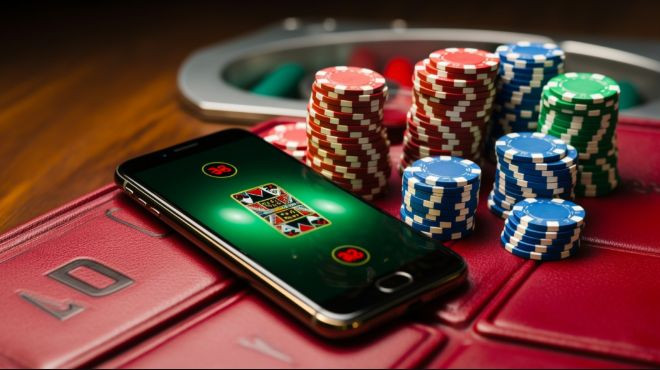
As online casinos continue to grow in popularity, understanding their psychological impact becomes increasingly important. The digital landscape offers unique elements, such as convenience and accessibility, that can intensify gambling behavior. Players can access their favorite games from the comfort of their homes, which can lead to more frequent and impulsive gambling sessions.
The design of online casinos also incorporates many psychological influences that keep players engaged. Features such as gamification, instant rewards, and interactive elements can heighten the sense of involvement and urgency. These strategies effectively draw players back for more, sometimes leading to problematic behavior if not monitored closely.
With this in mind, users should approach online gaming platforms with a critical eye. Websites can offer valuable resources for responsible gambling, including self-assessment tools and links to support services. By prioritizing informed and mindful participation, players can enhance their online casino experiences while safeguarding against the psychological pitfalls that can arise in this enticing environment.